


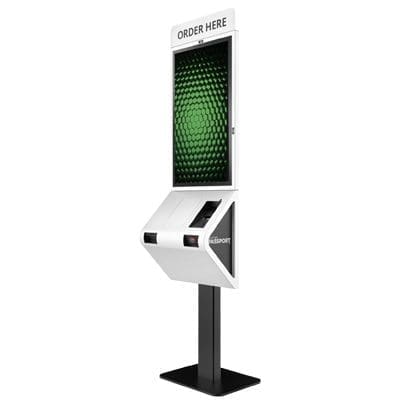


Kiosks
Kiosk Manufacturer
Custom interactive kiosks with hardware, software, deployment and support from one team.
MetroClick is a kiosk manufacturer and supplier based in New York. Since 2006 we have built interactive kiosks and custom interactive digital solutions for retail, hospitality, healthcare, venue and real estate teams. We design the hardware, write the software and support the install, so you work with one company. Buy or rent, with MetroClick Manager software included.

Trusted by industry leaders to power better customer experiences












Kiosk types we manufacture
MetroClick manufactures four kiosk formats, each built on the same hardware and software platform, so you can mix formats across one deployment without managing separate systems. Compare large format, small format, transactional and immersive kiosks below, then buy or rent whichever fits the space, traffic and budget.
Most projects start with touch screen kiosks, self service kiosks or outdoor kiosks. For a short run or an event, see touch screen kiosk rental; for a one-off build, see custom kiosks.
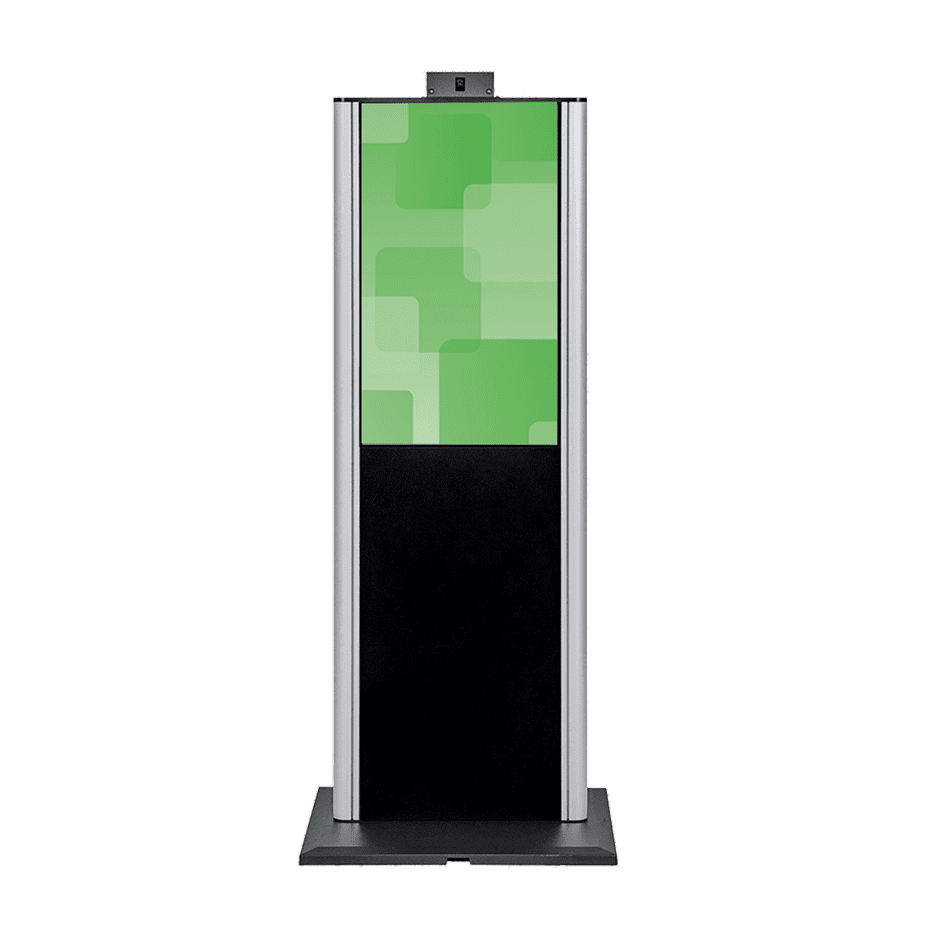
Upright Kiosks
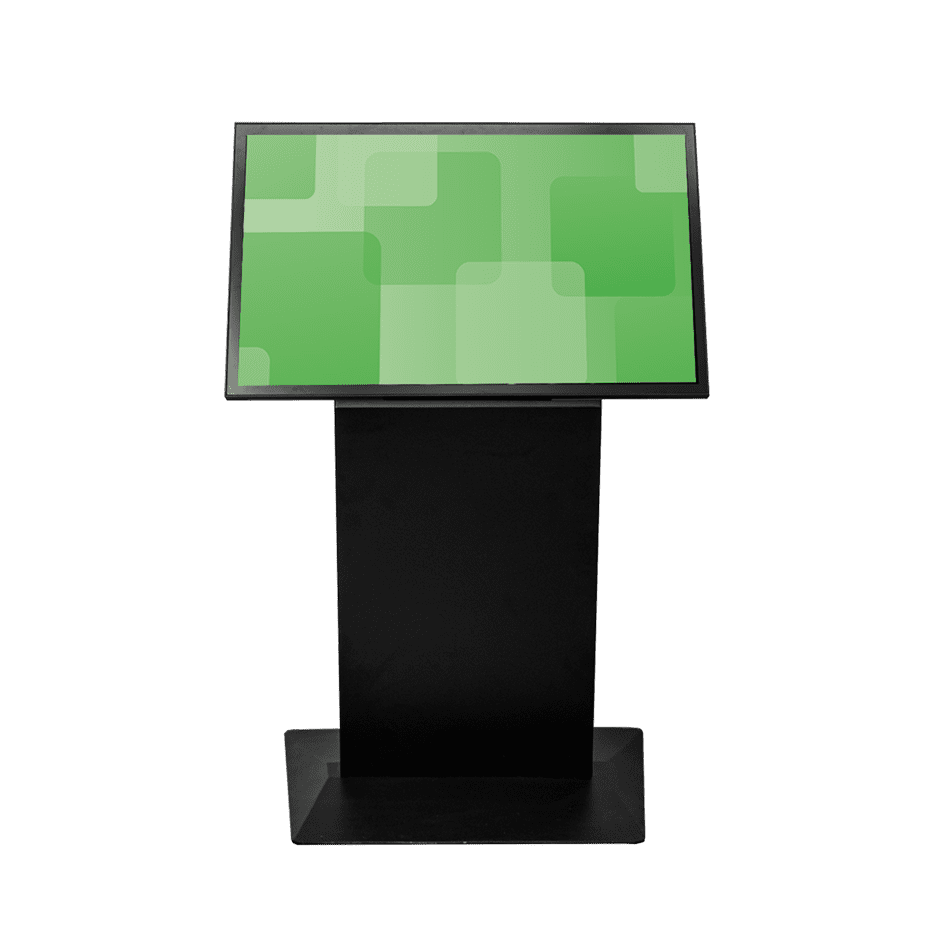
Landscape Kiosks
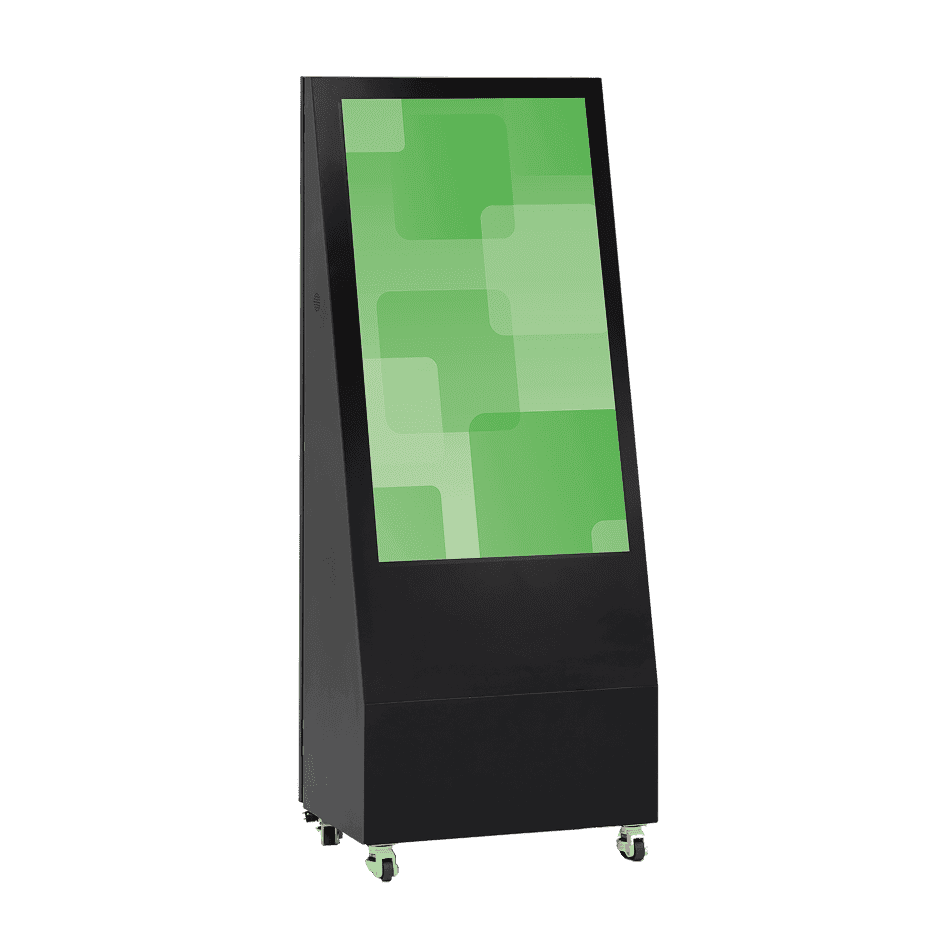
A-Frame Kiosks
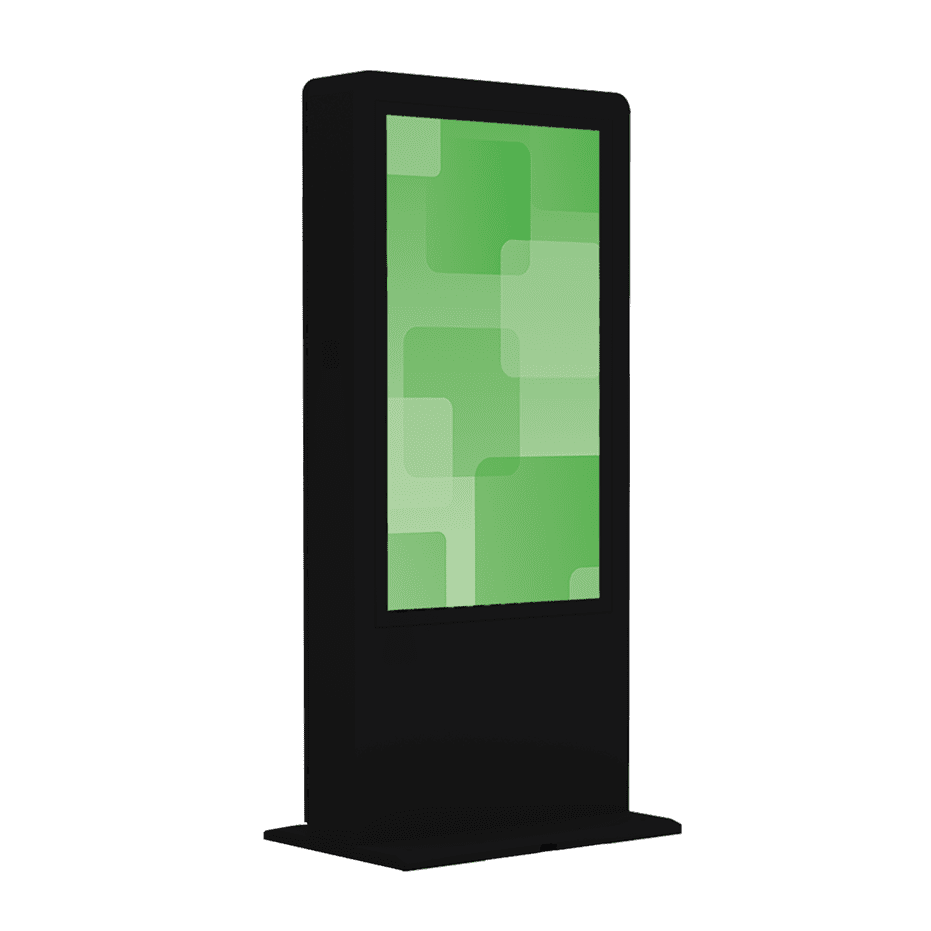
Outdoor Kiosks
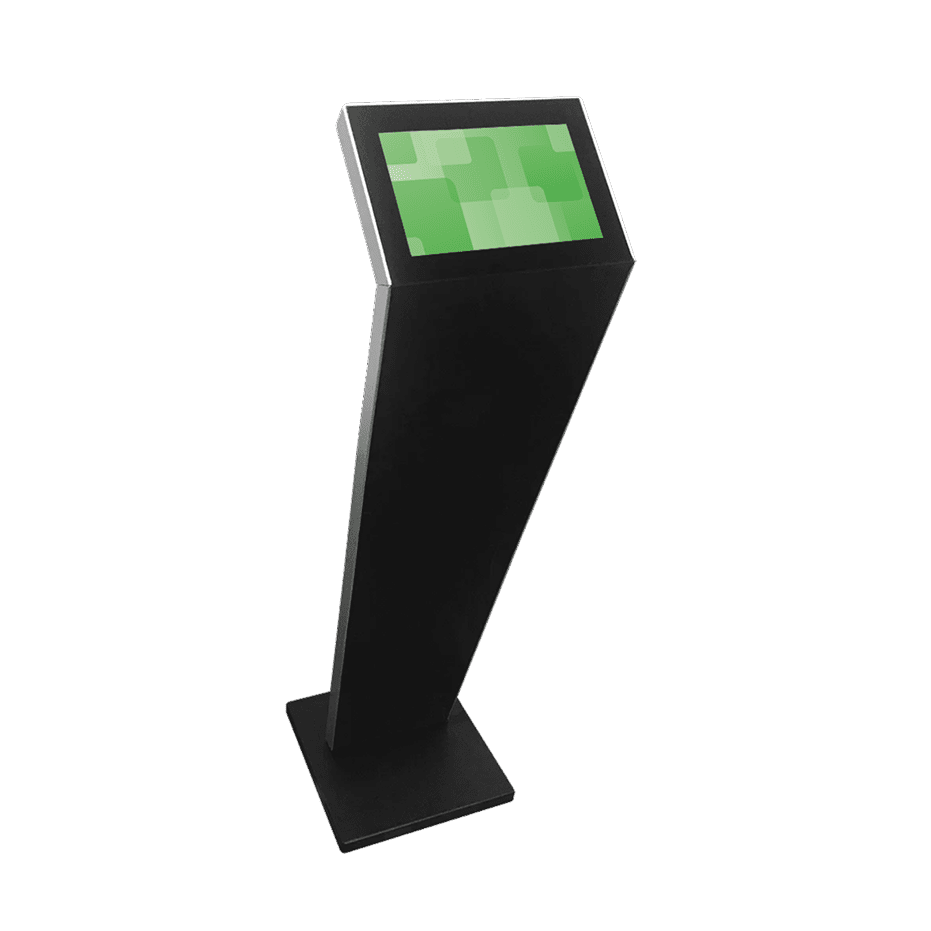
Compact Kiosks

Large Touch Screens

Sanitizer Stations

Photo Booths
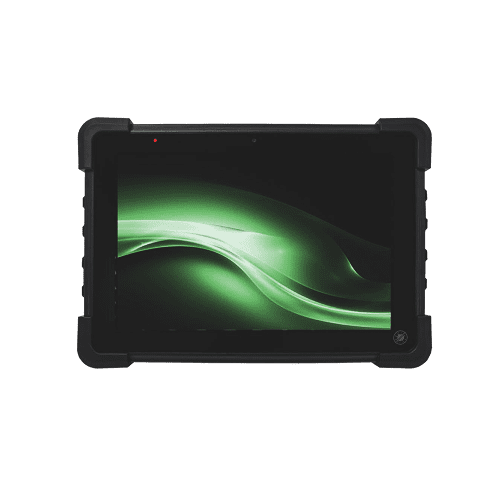
Tablets
Small Touch Screens
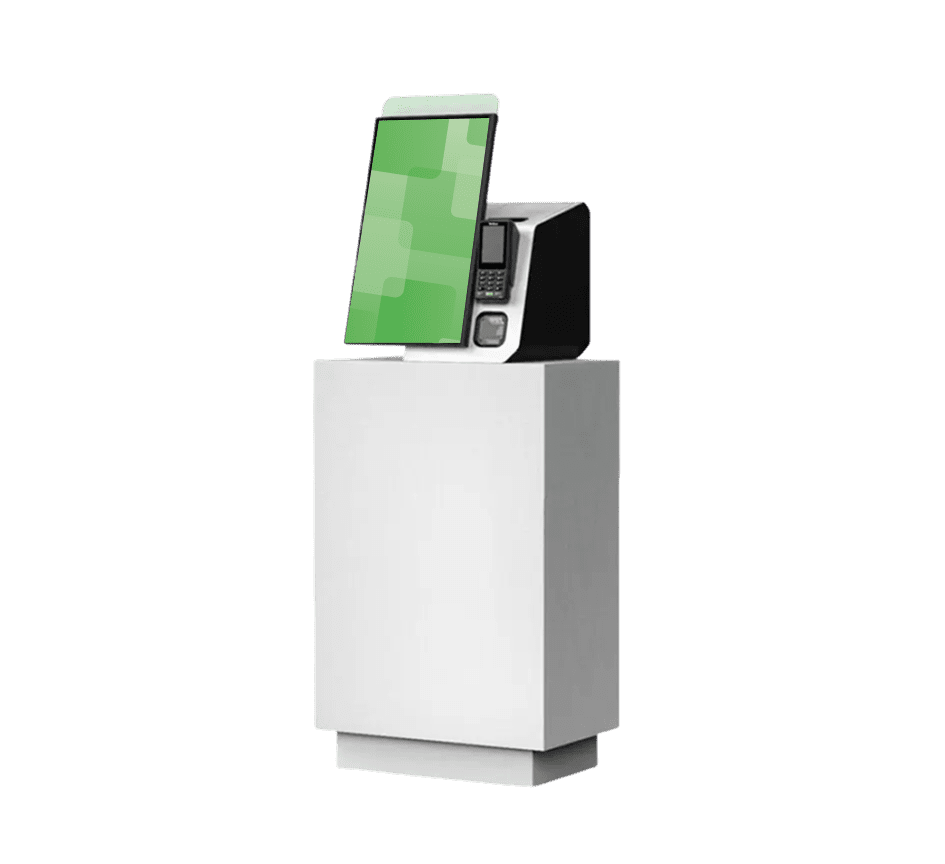
Table Tops

Cooler Door Handles
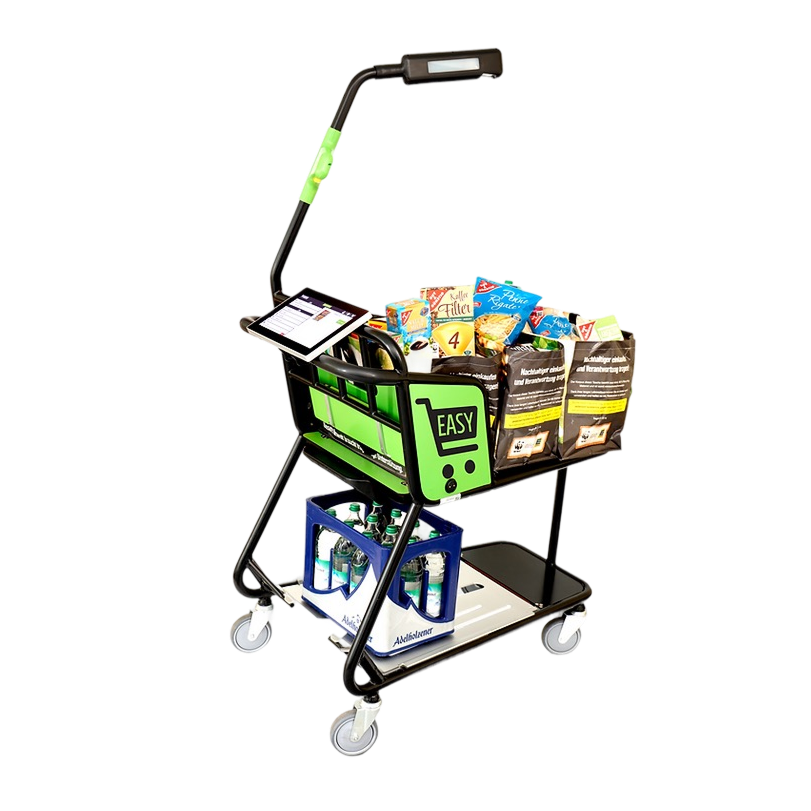
Easy Shopper
Tabletop Ordering Kiosk
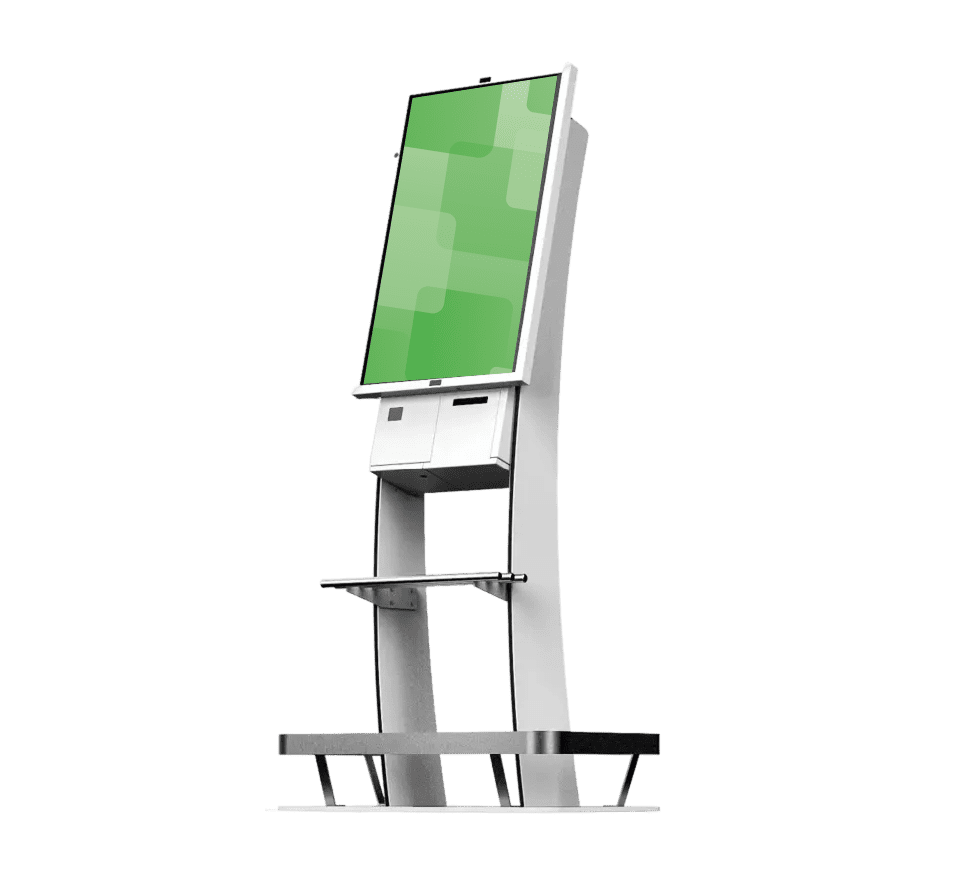
Curved Kiosks
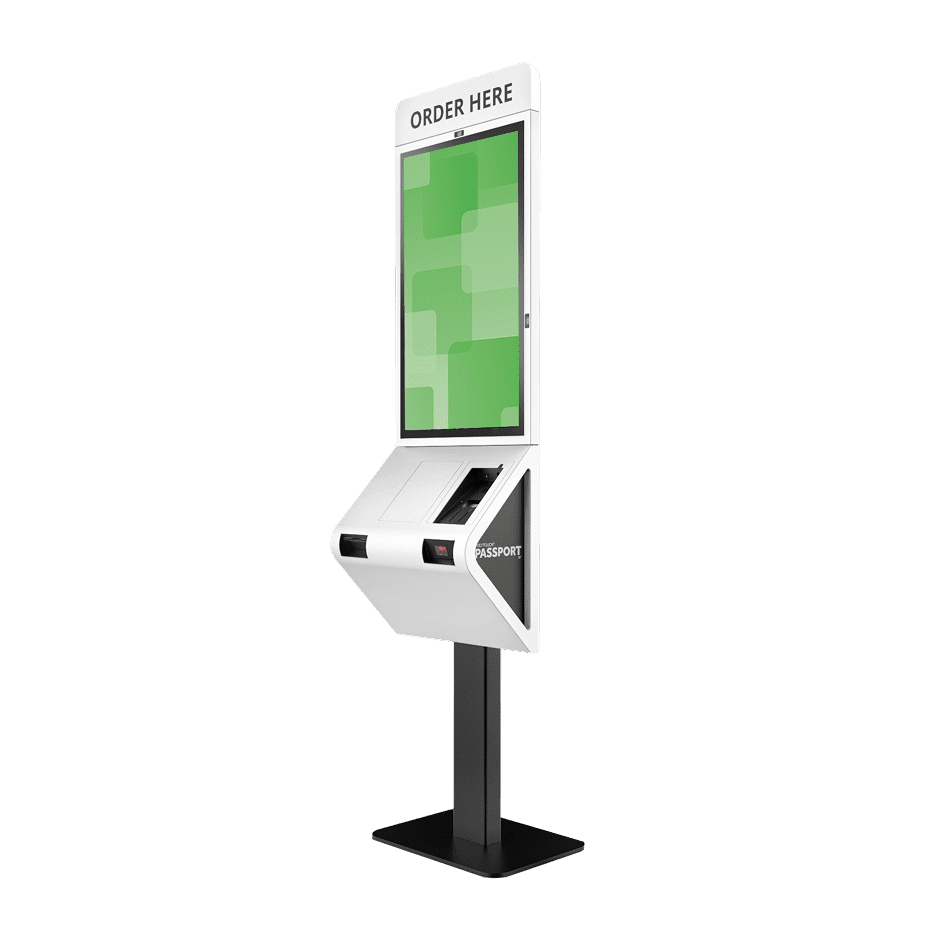
Portrait Ordering Kiosks
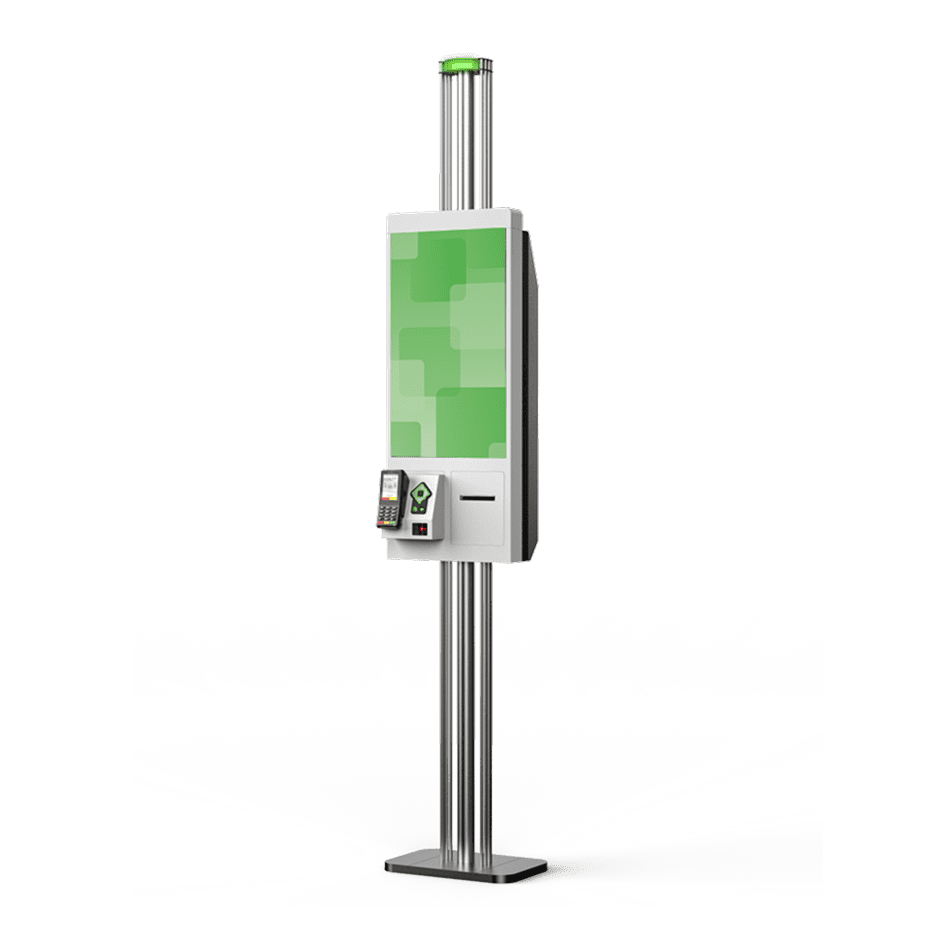
Small Format Ordering Kiosks
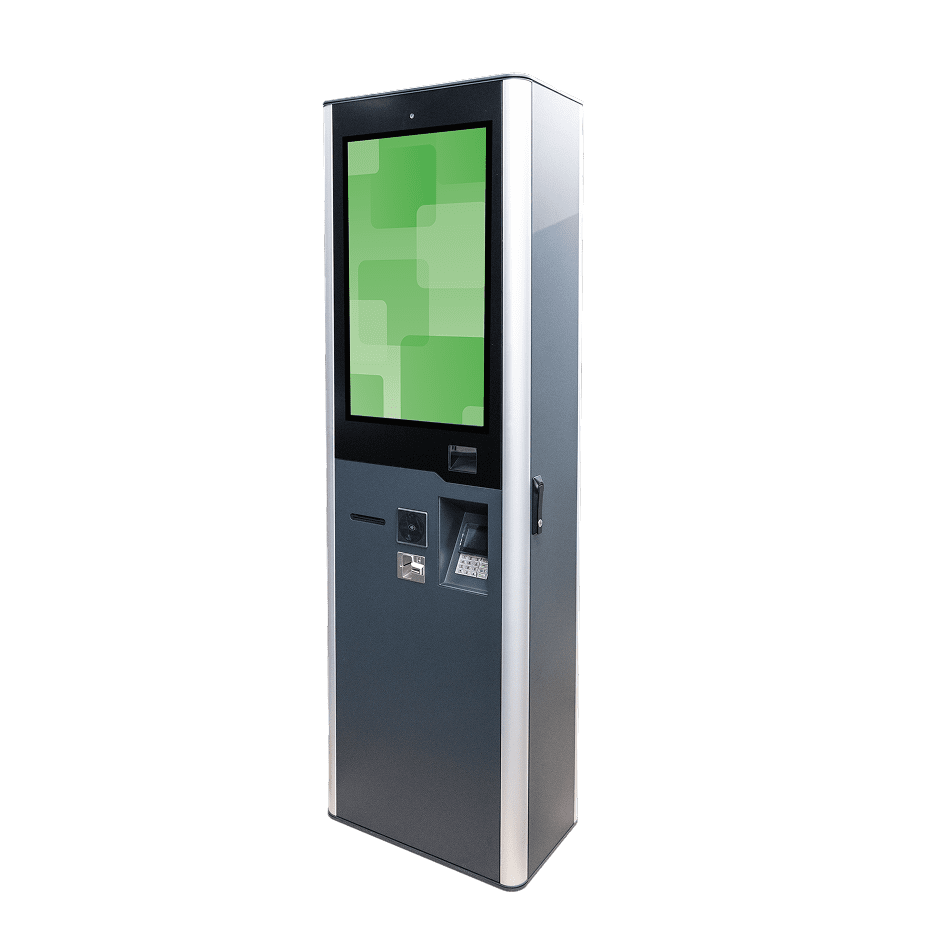
Outdoor Ordering Kiosks

Digital Mirrors

Video Walls
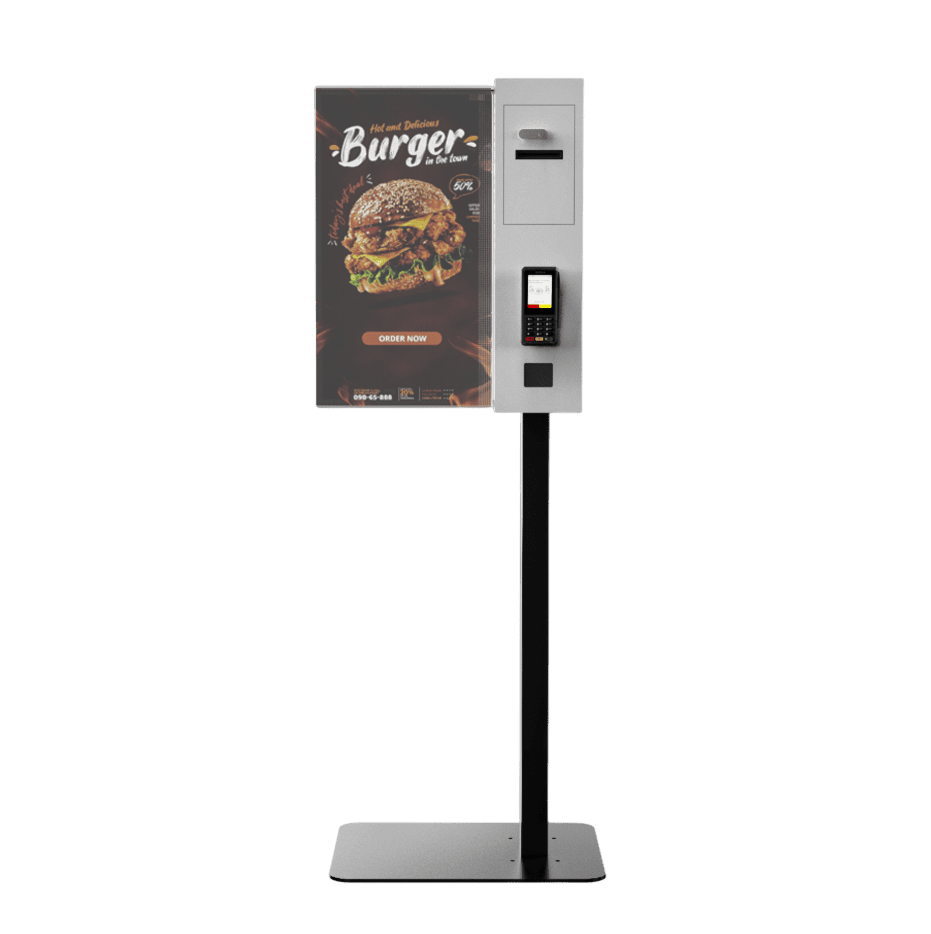
Transparent Screens
LED Walls
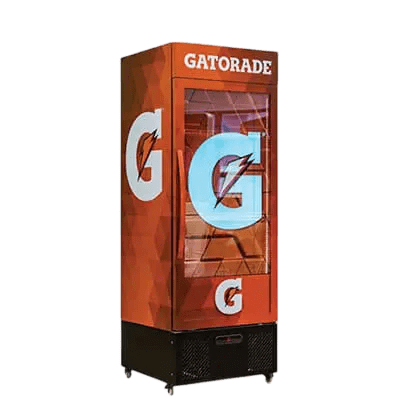
Digital Coolers
Lockers

Whiteboards
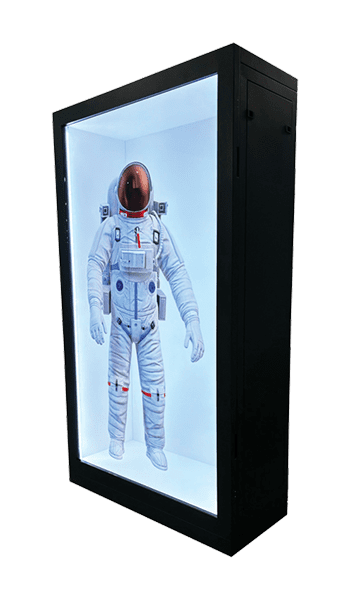
3D Lightbox
Why buy from a kiosk supplier that builds its own hardware
MetroClick designs, manufactures, deploys, rents and supports interactive kiosks, digital signage and touch screen systems from one team in New York. As a kiosk supplier, we stand behind the full unit: the enclosures, screens and mounting are specified by our engineers, and the software running on them, MetroClick Manager, is our own platform. Buyers researching a digital kiosk manufacturer for a larger rollout get the same design and support behind every kiosk machine we build.
✓Building kiosks since 2006. Thousands of units deployed, from single kiosks to rollouts of 50 to 100 units across the country.
✓Hardware and software from one team. We design the kiosk and write the software that runs on it.
✓Indoor and outdoor engineering. Weatherproof enclosures, sunlight-readable displays and climate control, alongside formats for lobbies and retail floors.
✓Custom configuration. Enclosures, screen size, mounting and branding adjusted to the site during a design evaluation.
✓Software integration. APIs connect kiosks to existing POS, inventory and CRM systems, with multi-language support.
✓Deployment and support. MetroClick deploys, rents and supports the kiosks it manufactures.
Interactive kiosks by use case
The tabs above sort our kiosks by format. These are the jobs buyers most often hire them for.
Information kiosk
Digital directories, event schedules and facility maps for lobbies and visitor centers.
Product display kiosk
Extended catalogs and real-time inventory for retail floors.
Self service kiosk
Ordering and check-in units that cut wait times for restaurants and healthcare.
Store display solutions
In-store price checks and product comparisons customers can use without staff.
Portable kiosk
Lightweight, wheeled units for events, seasonal locations and pop-ups.
Wayfinding kiosks
Interactive maps and directions for large or multi-level facilities.
Kiosk rental
Short-term units for events, seasons and pilots, with support included. Prefer to own? Spread the cost with financing.
Not sure which kiosk fits?
Tell us the space, the traffic and the job. We will spec the right format, software and mounting.
Discover the versatility built into each product
Built for Every Environment
Trust in ruggedized, rated, reliable and robust devices of all shapes and sizes that perform flawlessly indoors or out.
Engage and Inform
Guide users through effortless, self-driven, interactive experiences or stream advertisements and promotions 24/7 on optically bonded, enhanced viewing touch screens.
Modular in Design
Easily configure, connect and scale devices to suit different locations, functions and use cases, while streamlining maintenance, serviceability and operational expenses.
Unapologetically Authentic
Fit any space with aesthetics and branding that drives emotional resonance and authentic connections to your true brand.
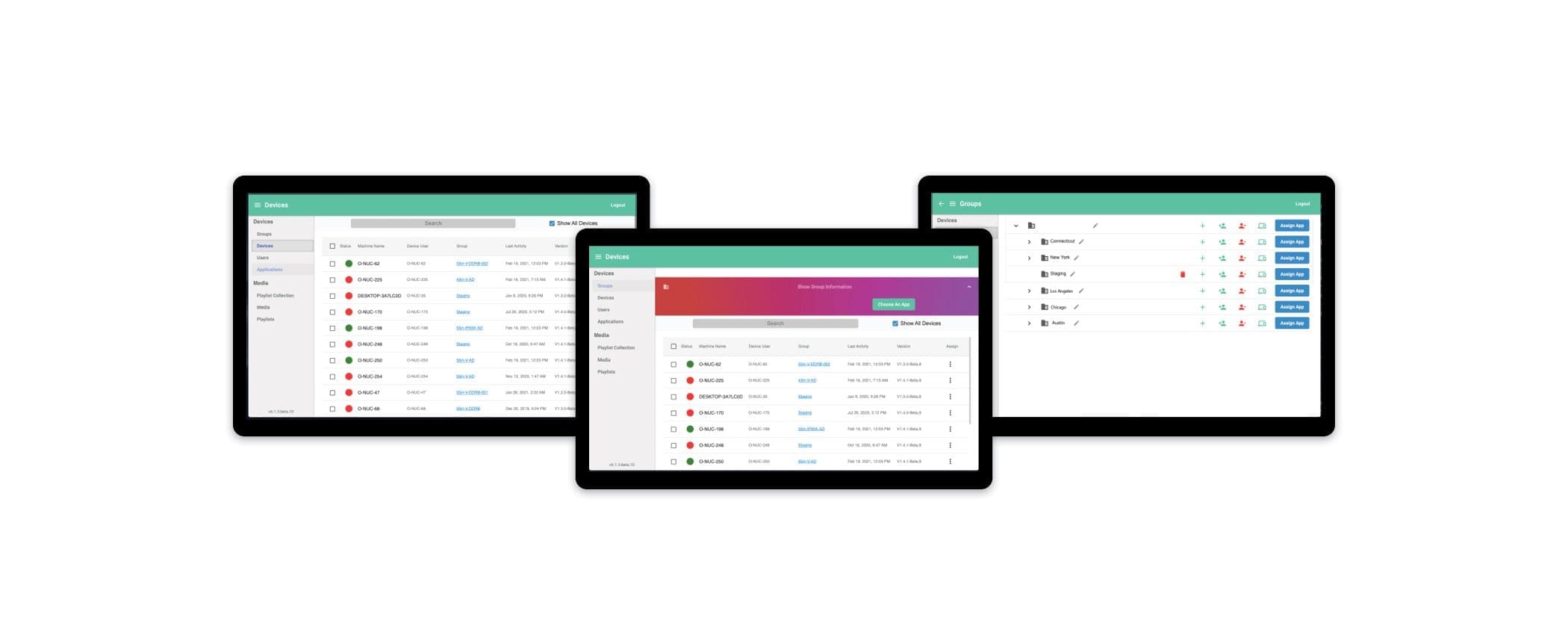
MetroClick Manager
Sync every screen, everywhere
Our hybrid CMS and DXP platform that seamlessly connects your digital experiences. Easily deliver omnichannel content using intuitive editing tools and templates to craft engaging customer interactions.
Frequently asked questions
What is the difference between a kiosk manufacturer, a supplier and a distributor?
These terms describe different roles in how a kiosk reaches you. A manufacturer designs and builds the hardware; some kiosk manufacturers only build and leave selling and support to someone else. A supplier sells and supports the finished kiosk, and may also be the manufacturer or may source hardware from one. A distributor or vendor typically resells kiosks built elsewhere, and may not provide engineering, software or long-term support.
MetroClick is both the manufacturer and the supplier: we design and build the kiosk, write the software that runs on it, and support it directly, so hardware, software and service come from one place. That distinction is worth checking before you buy, since the manufacturer is usually who stands behind the hardware over its service life.
Is MetroClick a US-based kiosk manufacturer?
Yes. MetroClick is headquartered in New York City and has supplied kiosks to customers across the United States since 2006, from single-location installs to multi-site rollouts.
Buyers comparing kiosk manufacturers in the USA usually look for a team they can reach in their own time zone, hardware configured for US power, payment and ADA accessibility requirements, and support that does not stop at delivery. That is how MetroClick works with every customer, whether the order is one kiosk or a national program.
Why does it matter that one team builds the hardware and the software?
It matters once a kiosk leaves the shop floor. An outdoor unit needs weatherproofing and sunlight-readable glass; an indoor lobby unit needs a different footprint and content plan entirely. Because MetroClick manufactures the hardware and writes the software, a change on either side goes through one team, and the people supporting the kiosk know exactly how it was built.
Standard configurations cover most needs. When they don’t, the same team moves into custom builds, adjusting the enclosure, screen size and mounting for the space.
Do you build kiosks for both indoor and outdoor use?
Yes. Indoor kiosks are built for controlled environments such as lobbies, retail floors and reception areas, typically serving as directories, product displays or check-in points. Outdoor placements need different engineering: weatherproof enclosures, high-brightness displays that stay readable in direct sunlight, and heating or cooling systems that keep operating temperature stable through the year.
Outdoor units also add tamper-resistant construction, encrypted payment processing and remote monitoring, since they often run unsupervised in parking areas, transit stops or public spaces. The hardware configuration changes based on where the kiosk will sit; the underlying software platform stays the same.
How much can you customize the hardware and software?
Hardware customization starts with a site evaluation covering traffic patterns, accessibility and how the kiosk needs to fit into existing infrastructure. Enclosures, screen size and mounting, whether freestanding, wall-mounted or countertop, are adjusted to the space, and branding can be built into the housing itself.
On the software side, kiosks integrate with point-of-sale, inventory and CRM systems through APIs so transactions update your existing systems in real time. Interfaces can be adapted beyond branding to match a specific workflow, support multiple languages and suit different user skill levels, and updates add features without requiring new hardware.
Which kiosk screens do you manufacture?
MetroClick manufactures a range of kiosk screens and formats rather than a single fixed size: large format displays for high-traffic areas, small format and tablet-based screens for compact spaces, optically bonded touch screens for outdoor and high-glare viewing, and multi-screen configurations for immersive installations.
Screen choice depends on where the kiosk will sit and what it needs to do. A transactional unit taking payments needs a different screen and enclosure than an information kiosk in a lobby, so buyers researching kiosk screen manufacturers, or looking for an info kiosk manufacturer for a specific viewing environment, typically start with how and where the screen will be used.
Do you install the kiosks you manufacture?
Deployment typically follows a set process: a site survey to confirm power, network and space requirements, delivery of the kiosk, mounting and physical setup, network connection, software configuration and testing, and training for on-site staff before handover. Remote support continues after installation for software updates and troubleshooting.
Because MetroClick manufactures the hardware and writes the software, the team handling setup and configuration works from the kiosk’s exact build specification rather than generic installation notes.
Can I get a kiosk for a short-term deployment or event?
Yes. Portable formats use lightweight construction with integrated wheels and optional battery power, so they don’t need a fixed electrical connection or a permanent footprint. That makes them suited to registration desks, information points and merchandise sales at events, or to seasonal and pop-up locations.
The same approach works for testing a new site before committing to a permanent installation: a short-term deployment shows how a kiosk performs in a specific location, and that performance data can inform a longer-term purchase or placement decision.
Will a kiosk I buy today still work as the technology changes?
Kiosks are designed with modularity in mind, so individual hardware components, such as screens or payment modules, and the software can be upgraded over time instead of replacing the entire unit. Software updates add features and security improvements without requiring a hardware swap.
Kiosks are also increasingly built to integrate with broader connected systems, sharing data as part of a larger network rather than operating as an isolated device. Planning for that kind of expansion at the time of purchase makes it easier to add capabilities later without a full replacement.